
Mixed Breastfeeding: How to Get Started?
Mixed Breastfeeding. How to get started? There are as many types of breastfeeding as there are mothers, so the important thing is to be able
Your bottle includes midwife support
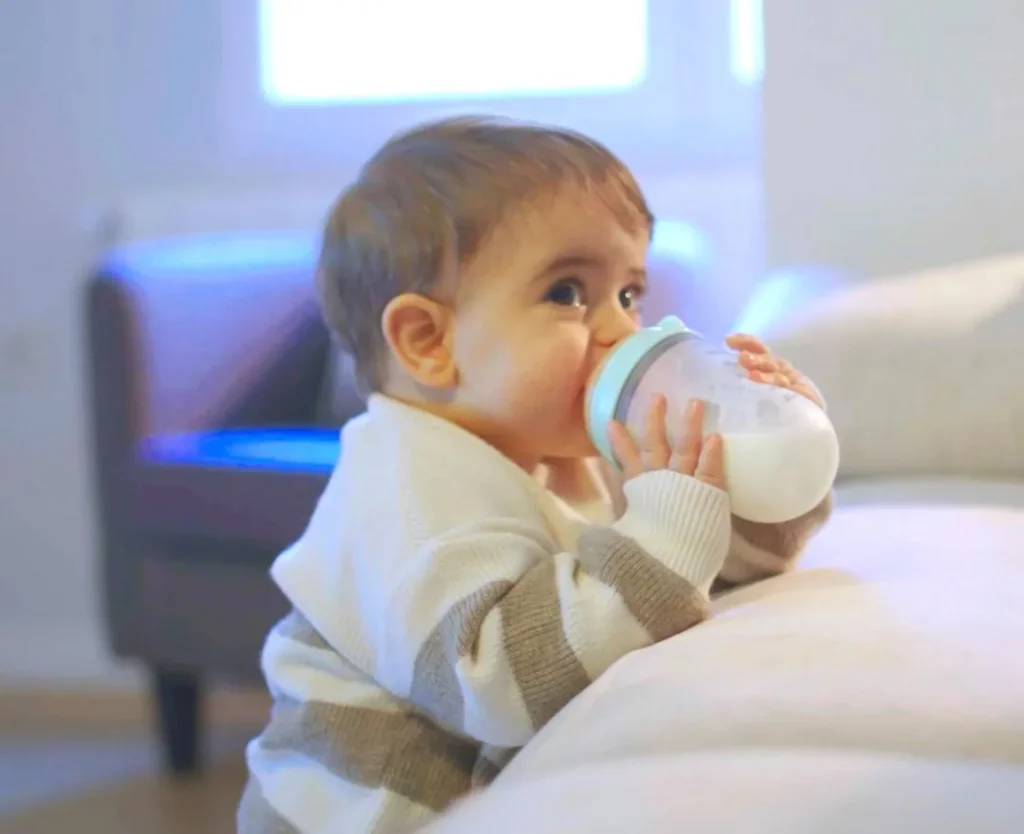
Mixed Breastfeeding. How to get started? There are as many types of breastfeeding as there are mothers, so the important thing is to be able
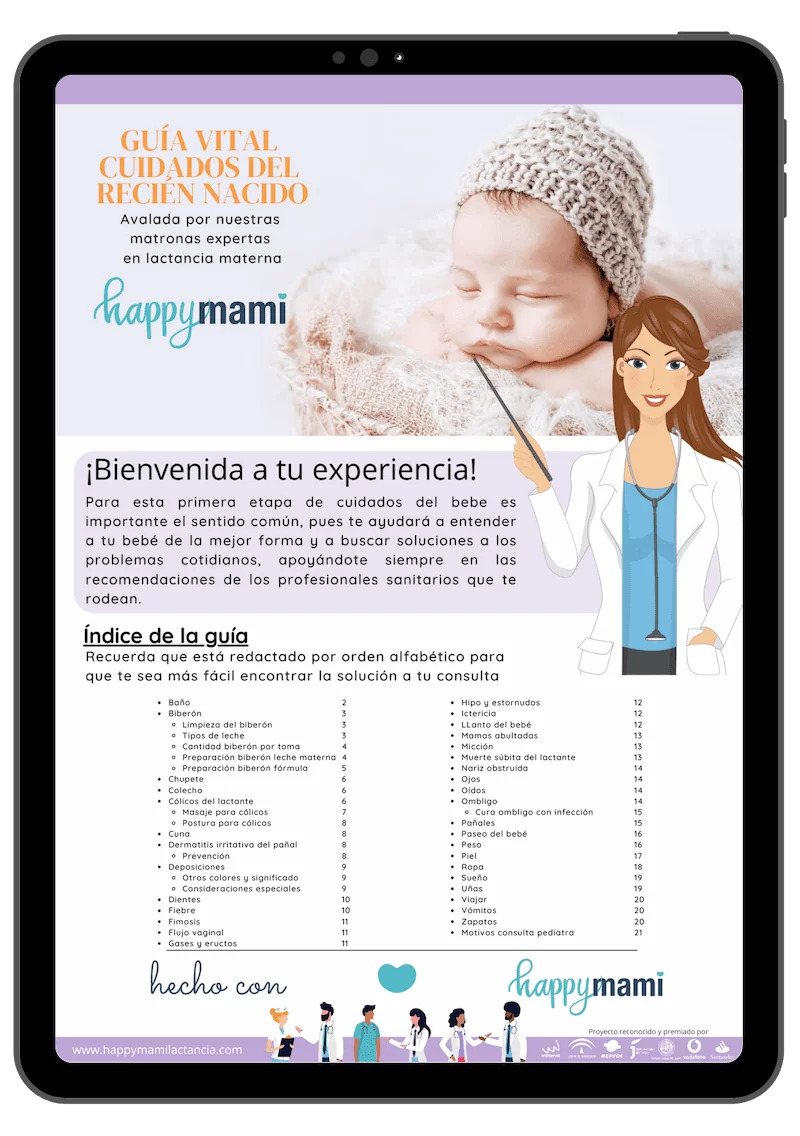
How is child health defined?
Child health is defined as the state of physical, mental, and social well-being of children from birth through adolescence. It includes aspects related to growth and development, disease prevention and treatment, health promotion, and the emotional and social well-being of children.
Child health encompasses several aspects, including:
Find more information in our post: Newborn Care Guide
– Growth and development: It is important to monitor children’s growth and development to ensure they are reaching the appropriate developmental milestones for their age, such as weight gain, height, and cognitive and motor development.
– Disease prevention and treatment: Children may be exposed to various diseases and conditions, so it is important to prevent and treat any illness or condition in a timely manner to avoid complications.
– Health promotion: Healthy habits should be promoted in children, such as a balanced diet, regular physical activity, adequate sleep, and good hygiene habits.
– Emotional and social well-being: Children should have a safe and nurturing environment that allows them to develop emotionally and socially in a healthy way. It is important to provide emotional support and foster their social and emotional development.
Child health is essential for the development and well-being of children and to ensure a healthy future for society.
Discover more information in our post: Newborn Care Guide
What is child health according to the WHO?
According to the World Health Organization (WHO), child health is defined as a state of physical, mental, and social well-being of children, and not only as the absence of disease or conditions. The WHO recognizes that children have specific health needs and that their health is influenced by biological, environmental, and social factors.
The WHO emphasizes the importance of preventing and treating childhood diseases and promoting the health and well-being of children. To achieve this, the WHO recommends:
– Access to quality health services: Children should have access to adequate and quality health services to prevent, diagnose, and treat diseases.
– Promotion of healthy habits: It is essential to promote healthy habits in children, such as a balanced diet, regular physical activity, adequate sleep, and good hygiene habits.
– Protection against environmental hazards: Children should be protected against environmental hazards that may affect their health, such as exposure to pollutants or access to safe drinking water.
– Strengthening families and communities: The WHO highlights the importance of involving families and communities in promoting child health and preventing diseases.
In general, the WHO considers that child health is essential for the development and well-being of children and to achieve a healthy society in the future.
Discover more information in our post: Newborn Care Guide
What is child health and why is it important?
Child health refers to the state of physical, mental, and social well-being of children from birth through adolescence. It is a fundamental aspect of children’s development and their future as adults.
Child health includes aspects related to growth and development, disease prevention and treatment, health promotion, and the emotional and social well-being of children. Attention to child health is essential to ensure that children have a good start in life and to prevent health problems in the future.
The importance of child health lies in the fact that the first years of life are crucial for the physical, mental, and emotional development of children. Children who have good child health are more likely to have good cognitive, social, and emotional development, as well as reach their full potential in adulthood.
In addition, child health is also important for the prevention and treatment of diseases. Many diseases and conditions can be prevented or treated effectively if detected and treated in time. For example, vaccination is an important tool for preventing infectious diseases in children.
In summary, child health is essential for the well-being and development of children, as well as for their future as adults. Therefore, it is important that children receive adequate medical care and have access to quality health services from birth through adolescence.
Discover more information in our post: Newborn Care Guide
How to promote child health?
There are several ways to promote child health, among which we can mention:
– Vaccination: Vaccination is one of the most effective ways to prevent infectious diseases in children. It is important that children receive all the vaccines recommended by their doctor.
– Healthy eating: It is important for children to have a healthy and balanced diet that includes fruits, vegetables, whole grains, and lean proteins. Fast food and processed and sugary foods should be avoided.
– Physical activity: Children should engage in daily physical activity, such as playing outdoors, running, jumping, or swimming. This is essential for their physical and mental health.
– Hygiene: It is important to teach children good hygiene habits, such as washing their hands frequently, brushing their teeth after each meal, and bathing daily.
– Accident prevention: It is essential to prevent accidents in children, which can be achieved through adult supervision, eliminating hazards in the home, and using safety devices such as seat belts and helmets.
– Emotional support: Children need emotional and affective support for their emotional and mental well-being. Parents should be present and available for their children, and should encourage communication and the expression of feelings.
– Access to medical care: Children should have access to quality health services to prevent and treat diseases. Parents should take their children to the doctor regularly and be aware of their health needs.
In summary, promoting child health requires a combination of measures to ensure that children have a healthy diet, engage in physical activity, have good hygiene habits, are protected against accidents, receive emotional support, and have access to quality health services.
Discover more information in our post: Newborn Care Guide


¡Hola soy Alba! El holograma real de una de nuestras matronas y voy a acompañarte durante todo el proceso de diseño ¡Encantada de conocerte!
Recuerda que el diseño serán 5 pasos y en cada paso encontrarás distintas opciones entre las que irás deslizando para encontrar tu diseño perfecto.

Si das lactancia materna sigue las pautas con la marca:
[Lactancia Materna]
Si das biberón de forma exclusiva sigue las pautas con la marca:
[Biberón Exclusivamente]
1º Tipo de pezón
2º Inclinación de la tetina
3º Velocidad del flujo
4ºCapacidad del Vaso
5ºDale Color
Si tienes dudas con tu diseño puedes contactarnos por WhatsApp para que te ayudemos.