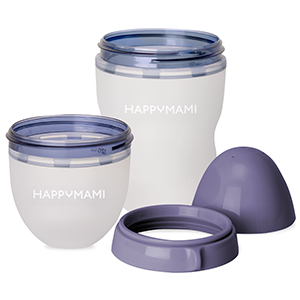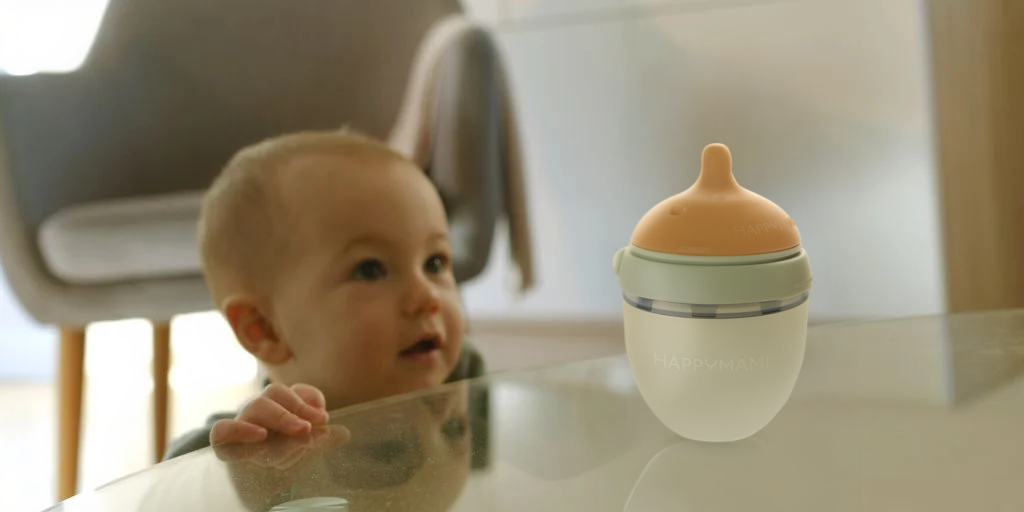
Best newborn bottle
What is the best bottle for a newborn? If you have just had your baby and you are thinking of combining breastfeeding with bottle feeding
Your bottle includes midwife support
Bienvenidos a la sección de cuidados del recién nacido en el blog de HappyMami. Aquí encontrarás una gran variedad de artículos útiles e importantes tanto para padres como para cuidadores de bebés y niños pequeños.
En esta sección, tratamos temas importantes relacionados con la salud infantil, la vacunación, el desarrollo cognitivo y físico, entre otros aspectos. Además, nos centramos en los cuidados del recién nacido, desde la lactancia hasta el sueño seguro, así como de la prevención de ciertas enfermedades.
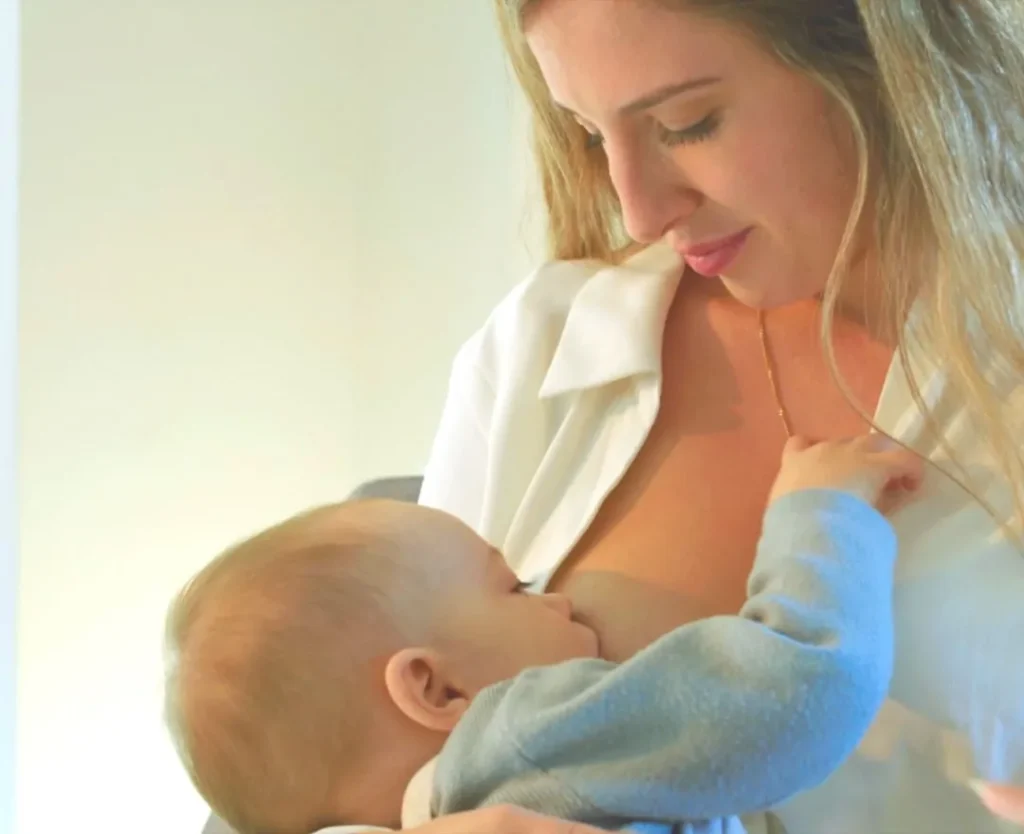
What is the best bottle for a newborn? If you have just had your baby and you are thinking of combining breastfeeding with bottle feeding
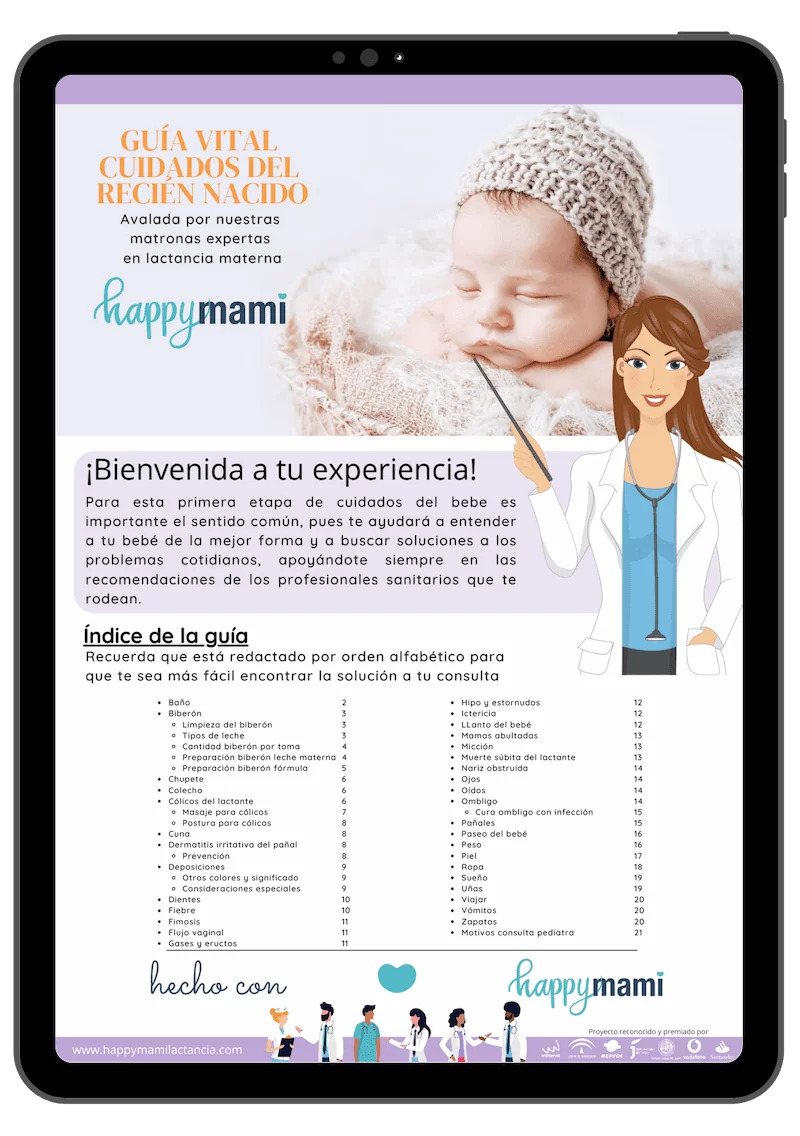
¡Descárgate la guía sobre los cuidados del recién nacido!
When is a baby considered a newborn?
A baby is considered a newborn from birth until they are one month old. After this period, they are considered an infant. However, it should be noted that this term may vary depending on the context and medical discipline. In some cases, the term “neonate” is used to refer to babies from birth to 28 days of life, while others may consider the newborn period to be up to 3 months of life.
Complete this information with the following post: Newborn care guide
What is the first thing a newborn does?
The first thing a newborn does is inhale air through their lungs, which activates their respiratory system. They may also emit their first cry, which indicates that their lungs are functioning correctly and that they have a good ability to breathe. After that, the newborn usually begins to look for the mother’s breast to feed and establish an emotional bond with her. In addition, the newborn may have sucking and grasping reflexes, which allow them to feed and grab objects with their hands.
Complete this information with the following post: Newborn care guide
What should you know about a newborn?
Some important things you should know about a newborn are:
– Feeding: The best food for a newborn is breastfeeding, and they will need to feed on demand. Once breastfeeding is established, they will feed between 8 and 12 times a day.
– Diaper changes: It is necessary to change the newborn’s diaper frequently to avoid irritation and rashes on the skin.
– Sleep: Newborns sleep a lot, but often wake up to eat. It is important to make sure they sleep on a safe surface, such as a crib or bassinet, and always placed on their back.
– Temperature: Newborns cannot regulate their body temperature like adults. Therefore, it is important to keep them warm but not overheat them.
– Signs of illness: Newborns are more susceptible to illnesses and infections due to their still immature immune system. It is important to be alert to any signs of illness, such as fever, cough, runny nose, or lethargy, and report it to the pediatrician immediately.
– Umbilical cord care: The umbilical cord takes a few days to dry and fall off. It is important to keep it clean and dry to prevent infections; soap and water will be enough.
– Development: Newborns are constantly developing, and it is important to have regular medical check-ups to ensure that they are growing and developing properly.
What does a 5-day-old baby do?
A 5-day-old baby is in a very early stage of development, and their behavior is mainly focused on meeting their basic needs. Some of the things a 5-day-old baby can do include:
– Sleep: Newborns spend most of their time sleeping, and a 5-day-old baby will probably sleep most of the day and night.
– Feeding: 5-day-old babies need to feed frequently to meet their nutritional needs. If they are being breastfed, they can be fed every 2-3 hours.
– Crying: Crying is the main way that 5-day-old babies can communicate their needs, whether it is hunger, sleep, pain, or discomfort.
– Interact: Although newborns do not have a full range of social skills, they can make eye contact with their parents and respond to simple visual and auditory stimuli, such as familiar voices.
– Diapers: 5-day-old babies will produce at least 6 wet diapers a day and may produce 3 to 4 bowel movements a day.
It is important to remember that each baby is unique and may have a slightly different rhythm and pattern of behavior. If you have questions or concerns about your baby’s development, it is important to talk to your midwife or pediatrician.
Complete this information with the following post: Newborn care guide


¡Hola soy Alba! El holograma real de una de nuestras matronas y voy a acompañarte durante todo el proceso de diseño ¡Encantada de conocerte!
Recuerda que el diseño serán 5 pasos y en cada paso encontrarás distintas opciones entre las que irás deslizando para encontrar tu diseño perfecto.

Si das lactancia materna sigue las pautas con la marca:
[Lactancia Materna]
Si das biberón de forma exclusiva sigue las pautas con la marca:
[Biberón Exclusivamente]
1º Tipo de pezón
2º Inclinación de la tetina
3º Velocidad del flujo
4ºCapacidad del Vaso
5ºDale Color
Si tienes dudas con tu diseño puedes contactarnos por WhatsApp para que te ayudemos.